What is a rash guard, and why do clubs order them?
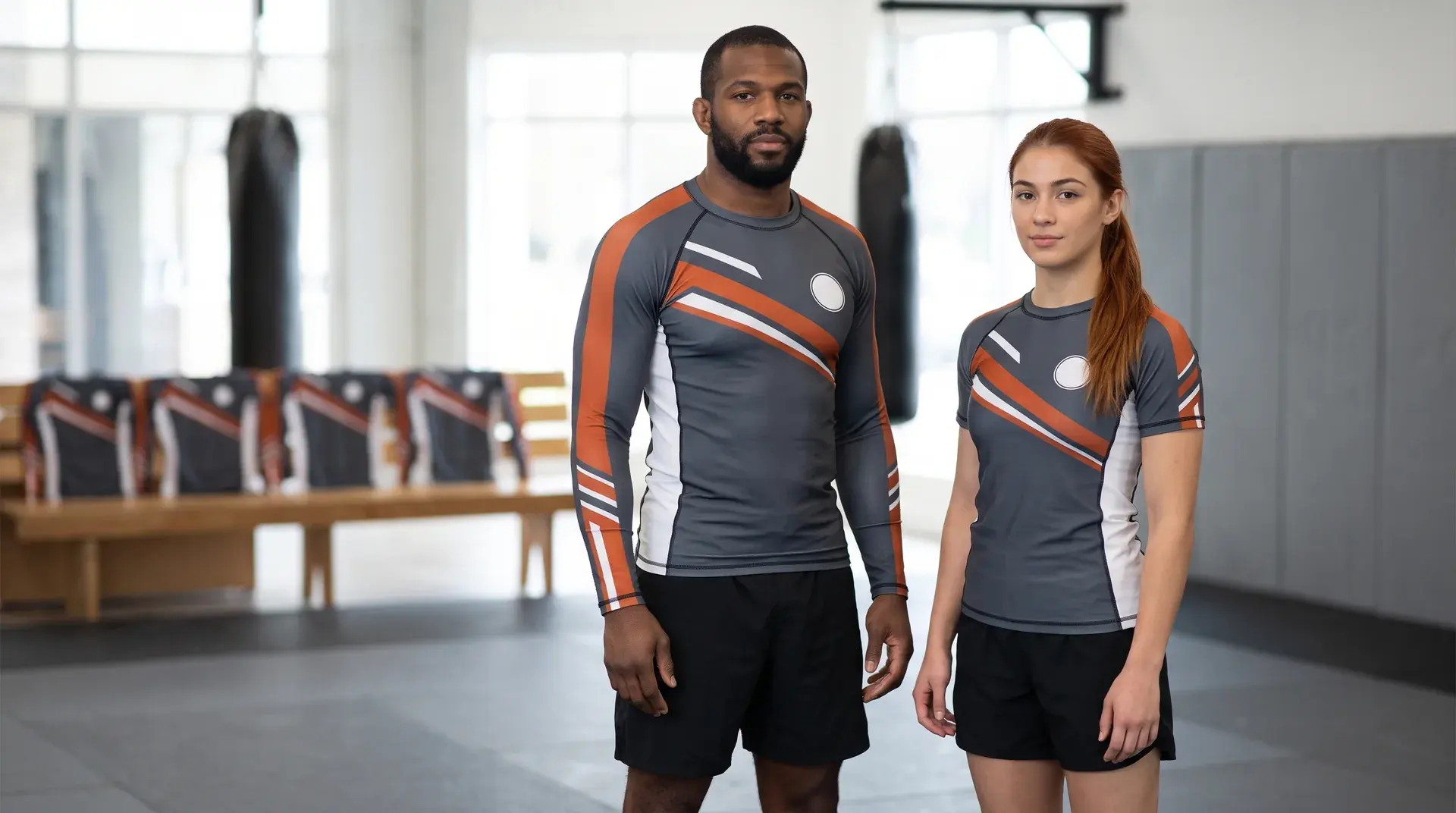
Rash guards are the club kit members wear every session, which is why they are one of the first things a UK BJJ or MMA club has made in its own colours. A rash guard is a close-fitting stretch top for grappling and no-gi training: it stays in place through a roll without riding up and covers the skin against mat burn. A matching set also makes a class, a team photo or a tournament squad look like one club.
Clubs order custom rash guards for three groups: the membership, who buy them as club kit; the fight or competition team, who wear a team design; and the kids' classes, where a matching rash guard is often the first piece of club kit a junior owns.
Rash guard or compression top?
They look alike but are cut for different jobs. A rash guard is made for the mats: close but cut for movement, with a body long enough to stay tucked through a roll, and usually sublimated in club colours. A compression top is cut tighter still, as a base layer for training and strength work, and is often plain or lightly branded.
For a club, the rash guard is the one members wear to roll and spar in, and the one that carries the club's design. Compression wear can be added in the same colours.
Long sleeve or short sleeve?
The sleeve follows the sport. Each sleeve length is its own product with its own pattern, so each has its own minimum, but both can share one design and one colour reference.
| Piece | Best for | Why |
|---|---|---|
| Long sleeve | No-gi BJJ, grappling and wrestling | Covers the arms on the mats |
| Short sleeve | MMA, striking, drilling and open mats | Frees the arms and stays cooler |
| Ranked set (BJJ) | Academies grading no-gi | One design in every belt colour |
| Spats | No-gi, alone or under shorts | Matching compression leggings |
Fabric, fit and what to check on the sample
Rash guards are cut close in spandex, Lycra and polyester blends that stretch, recover and take sublimation cleanly. The fabric's weight and composition are confirmed before sampling, and the seams are overlocked so they stretch with the fabric.
When the sample arrives, put it on and roll in it. These are the points every bulk order is checked against:
- Stretch and recovery at the neck and cuffs: they should spring back, not stay loose.
- Seams: comfortable against the skin, and strong when stretched.
- The print: in position and lined up across the seams.
- Length: the body stays tucked through a roll and reaches the waistband.
- Colours: compared with your colour reference on the real fabric.
Why club rash guards are sublimated
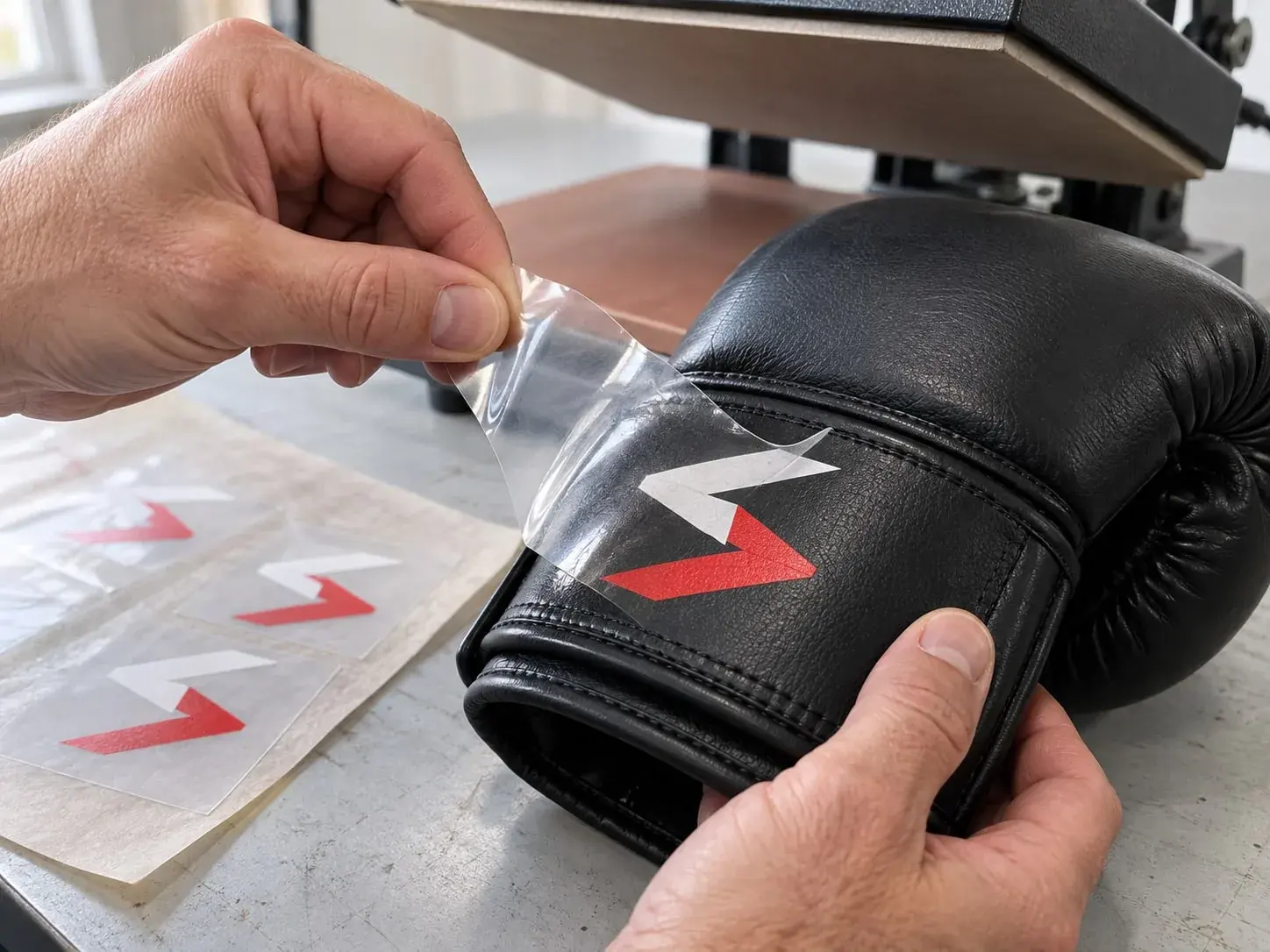
Almost every rash guard is sublimated. The design is printed on transfer paper and heat-pressed into the polyester, so a full-colour pattern runs across the chest, back and sleeves and over the seams without cracking, peeling or stiffening the fabric. Because the dye is in the fibre, it stretches with the rash guard, which a printed layer on top would not.
That means the design can be anything: a plain club colour with a crest, a camouflage or geometric pattern, or a different colourway for the fight team and the membership. Your logo can sit on the chest, back or sleeve. Size and care labels are printed, not woven, so there is no stiff label against the skin.
Ranked rash guards for BJJ academies
A ranked set prints one design in each belt colour: white, blue, purple, brown and black. They are drawn to the IBJJF no-gi colour rule: a black, white, or black and white base with at least 10% of the belt colour, or entirely in the belt colour. The rule is checked against the current IBJJF uniform page when your design is drawn; the IBJJF does not approve kit itself.
How the minimum works for a ranked set
The whole set counts as one design: 50 pieces across all the belt colours, with at least 10 in each. So an academy can order 20 white, 12 blue, 10 purple and so on, rather than 50 of every colour.
Sizing a club order
Rash guards are sized XS to 2XL and measured flat. On our standard short-sleeve pattern, in centimetres:
| Size | Chest, flat | Body length | Sleeve |
|---|---|---|---|
| XS | 40 | 58 | 26 |
| S | 42 | 60 | 27 |
| M | 44 | 62 | 28 |
| L | 46 | 64 | 29 |
| XL | 48 | 66 | 30 |
| 2XL | 50 | 68 | 31 |
Each measurement may vary by up to about 1.3 cm. A size chart is agreed for your order, and every size is measured against it on the sample and again before packing. Collect every member's size on one sheet before you order, so the split across sizes is right first time.
The minimum, colourways and timing
The minimum is 50 pieces per design, and it splits across sizes in any mix, juniors in XS alongside heavyweights in 2XL. A design can also be split across colourways, for example a fight-team colour and a members' colour, with at least 25 in each. Long and short sleeve are separate products, so each needs its own 50.
You see a free mockup first, then a sample in 7–10 days, with half its price credited against bulk. Bulk takes 3–5 weeks from sample approval, plus courier transit. Your exact dispatch date is confirmed in writing with your quote.
Kit for the February and March intake
To have rash guards for a February or March intake, send the brief in early December and approve the sample before the holidays: bulk then takes 3–5 weeks from approval, plus courier transit. Your exact dispatch date is confirmed in writing with your quote.
Making club rash guards last
Sublimated rash guards keep their colour because the dye is in the fibre, but the stretch fabric still lasts longer with gentle care. Worth passing on to members:
- Rinse or wash after every session, so sweat does not sit in the fabric.
- Wash cool and inside out, without fabric softener, which coats stretch fibres.
- Hang to dry rather than tumble drying.
Matching rash guards to the rest of the kit
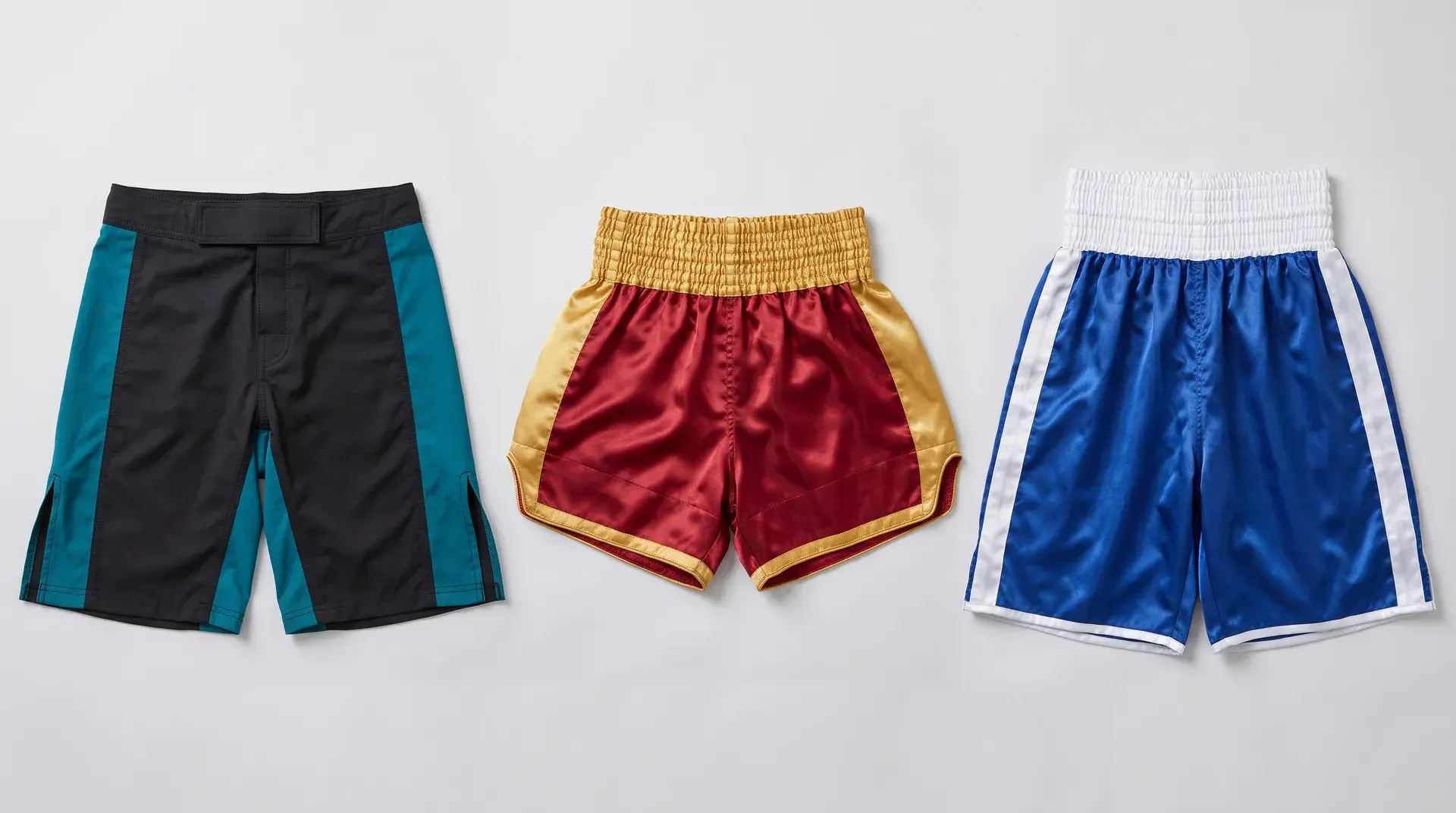
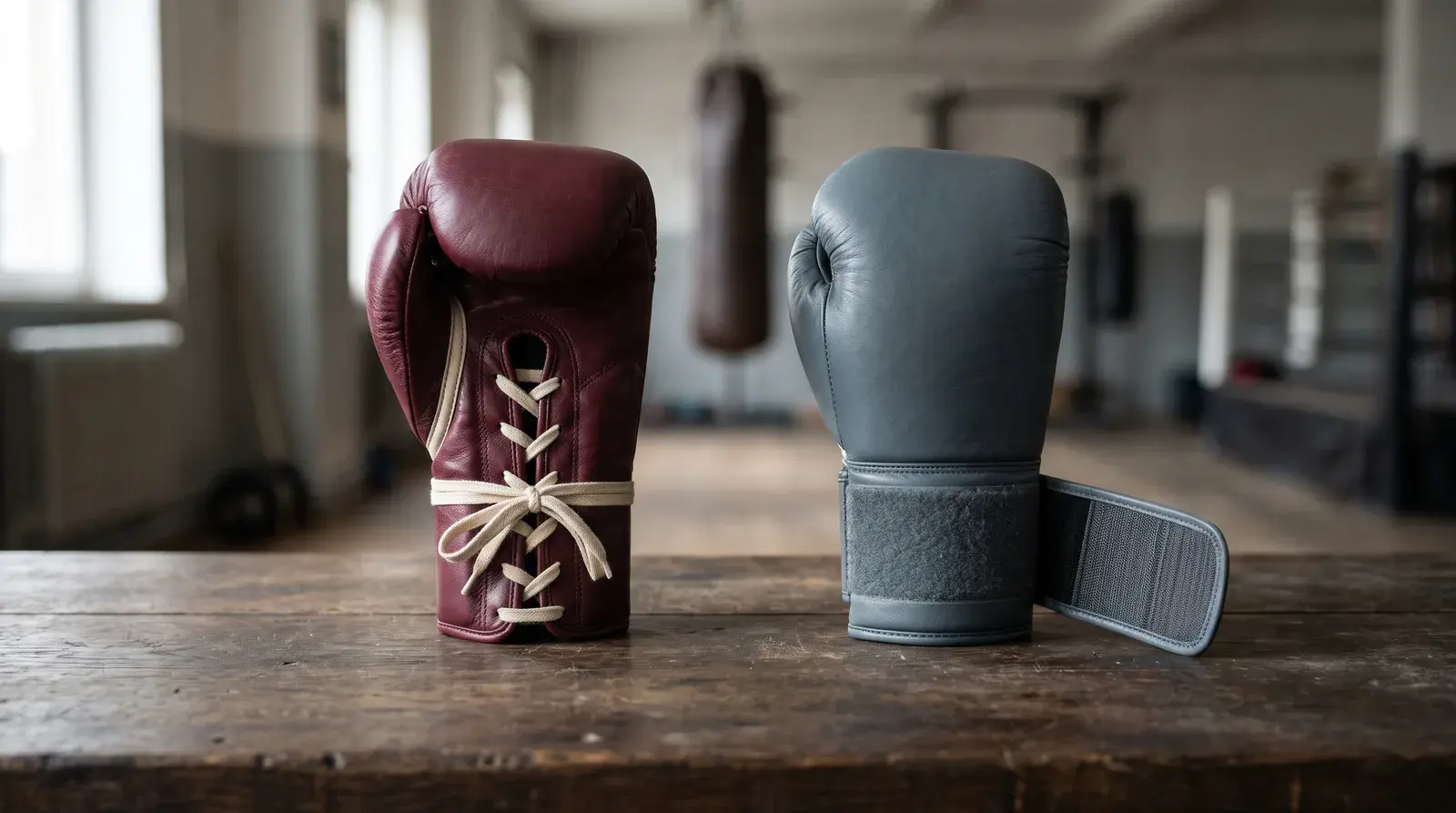
The rash guard is rarely ordered alone. One colour reference runs across the order, so the rash guards, fight shorts, spats and gloves read as one club kit. Each product has its own minimum, but they can be briefed together and sampled side by side.
Andrew, Head Coach, a boxing club in London
“We wanted the whole club in one kit, from the gloves to the shorts. Sparwright sent mockups first, then samples, and was sorted on the second sample. The 60 pairs of gloves, the headguards, and the shorts and rash guards all arrived matching what we’d signed off, on time.”