
Read this first
This guide is a set of pointers for brands and clubs, not legal advice. The rules change, they depend on exactly what you sell and how you describe it, and the final word belongs to the regulations themselves, your national authorities and, for competition, the governing body. Where your product or your retailer needs certainty, take advice from a compliance specialist or a test house.
Our position
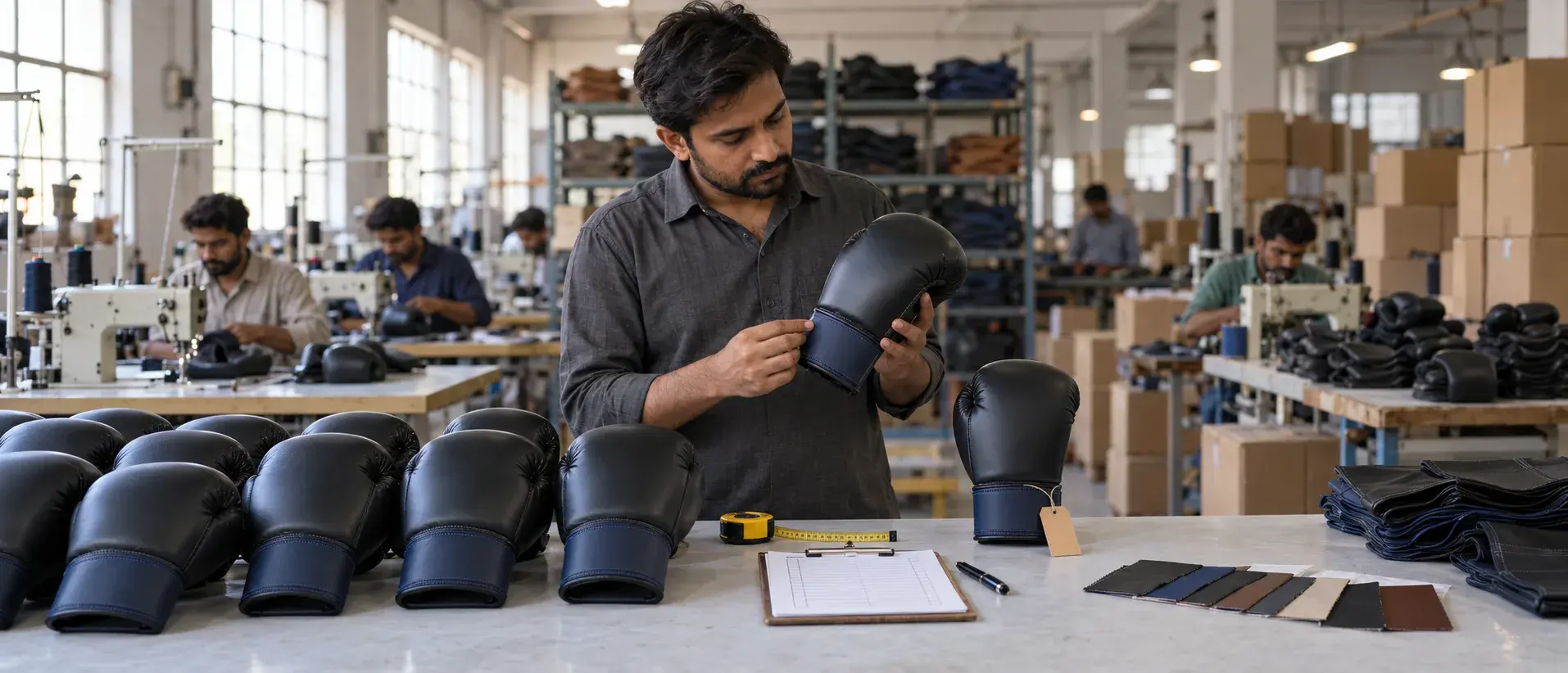
Sparwright does not claim any certification. What we can show you is how your order is checked against the sample you approved and the record of those checks. If you need a specific test report or document, tell us in your brief and what can be provided is confirmed before you order.
Who is responsible
Under both the UK and EU approach, a business that puts its own name or trade mark on a product is generally treated as its manufacturer for safety purposes, even when another company made it. For a private label glove brand, that usually means you. If you import into the EU from outside it, an economic operator established in the EU must also be identified for the product.
General product safety
Consumer products sold in the EU, and in Northern Ireland, fall under the General Product Safety Regulation (EU) 2023/988, which has applied since 13 December 2024. Great Britain has its own general product safety rules, often called the UK GPSR. Both start from the same duty: only safe products may be placed on the market.
- Risk assessment: consider how the glove will be used, and misused, by the people it is sold to, including children for kids' sizes.
- Identification: a type, batch or model reference on the product or its packaging, so it can be traced.
- Who you are: the manufacturer's name and contact address, and, for the EU, the responsible person established there.
- Instructions and warnings: in the language of the country of sale, where they are needed for safe use.
- Technical documentation: the evidence behind your assessment, kept so it can be shown if asked.
Protective equipment
Some combat-sports gear is commonly treated as personal protective equipment, which brings its own regulation, conformity assessment and CE or UKCA marking: head guards, shin guards and groin guards are typical examples. Whether a particular glove or guard is in scope can depend on what it is claimed to protect against, so check before you describe a product as protective, and take advice for your product.
For martial-arts protective equipment, conformity is commonly shown against the EN 13277 series of standards, which has parts for head, trunk, genital, and shin and instep protectors among others. A test house can tell you which part applies to your product and what testing it needs.
Chemicals in leather and textiles: REACH
REACH, the EU's chemicals regulation, and UK REACH in Great Britain, restrict certain substances in articles such as gloves and fightwear. The points most relevant to boxing gear include:
- Chromium VI in leather: leather articles that come into contact with the skin must not contain chromium VI at or above 3 mg/kg. It can form in chrome-tanned leather, so it matters for genuine leather gloves.
- Azo dyes: certain azo colourants that can release listed aromatic amines are restricted in textile and leather articles that touch the skin.
- Substances of very high concern: if an article contains a listed substance above 0.1% by weight, the supplier must pass on information to allow its safe use.
- Other restrictions: limits also apply to some substances in plastic and rubber parts that touch the skin, so synthetic shells and foams are not outside the question.
Retailers often ask for a test report from an independent laboratory as evidence. If yours does, say which tests in your brief.
Labelling
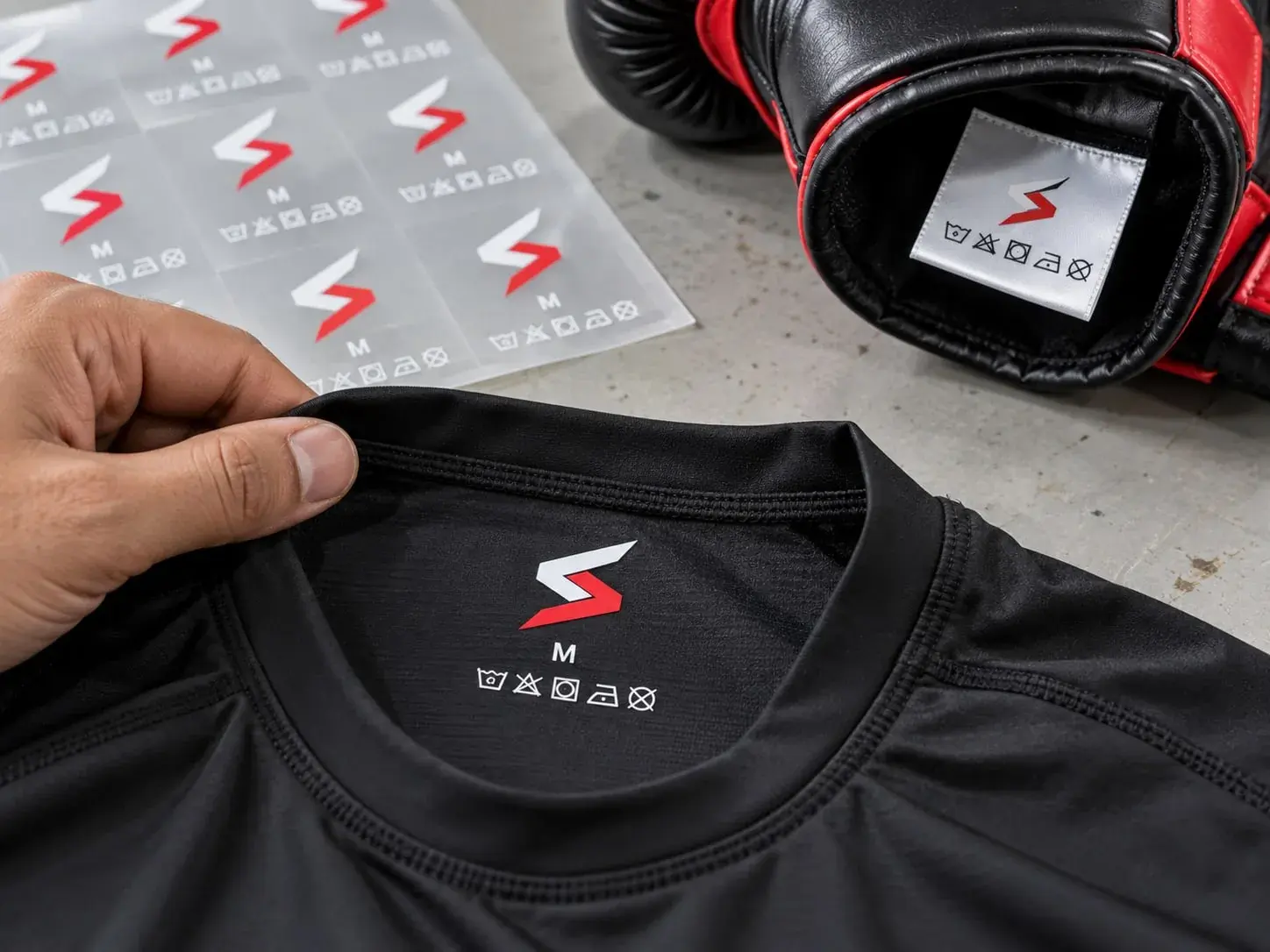
For textile products such as gis, rash guards and fight shorts, the fibre composition must be labelled under the EU Textile Regulation and the UK's textile labelling rules. Care symbols are widely used but are not generally a legal requirement in the UK or the EU; they are still worth printing, because they prevent returns.
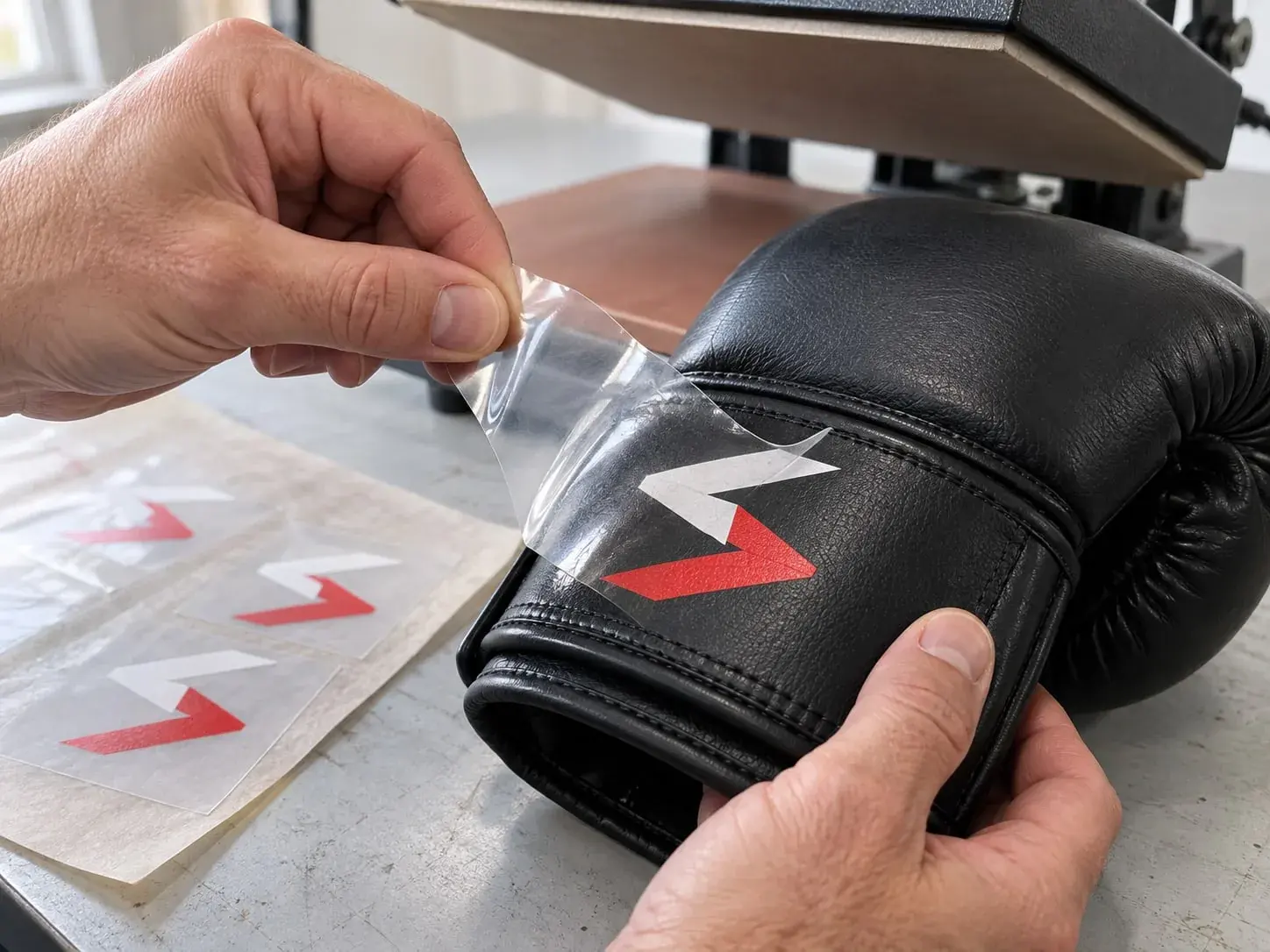
On gloves, the product safety information, the identification and your details can go on a printed label in the cuff, on the box or on both. Our labels are printed, by DTF or heat transfer, in your wording.
Gloves for competition
Sanctioned bouts follow the governing body's rules, not the market's. In amateur boxing that means your national federation, such as England Boxing in England, and at international level the international federations, IBA and World Boxing. Rules can cover the glove's weight for each class, its construction and colour, and in some competitions they require an approved brand or model.
- Check the current rules of every body your customers compete under: they are revised, and they differ between federations and between amateur and professional boxing.
- Do not describe a glove as approved or competition-legal for a body unless it has been approved by that body.
- Kickboxing, Muay Thai and MMA events set their own glove rules too.
Working through it with us
Name the markets you will sell in, any standard your product must meet, and any test report or document your retailer asks for, in your brief. What can be met and what documentation can be provided is confirmed before you order, rather than after. Every order is checked against the approved sample before dispatch, and the inspection record is kept and can be shared.